01
What Are the Signs You Have a Hidden Water Leak?
water meter testunexplained water bill spikedamp drywall
A hidden leak almost always announces itself through your wallet before it shows up on your walls.
An unexplained water bill spike — say, $60 to $120 more than your usual monthly average — is the most reliable early signal. Confirm it with a water meter test: shut off every faucet, toilet, and appliance in the house, then watch the meter dial for two minutes. If it moves, water is escaping somewhere. Other signs to detect a leak early include damp drywall that stays soft even after dry weather, discolored ceiling spots, a persistent mildew smell in a room that should be dry, and soft or buckled flooring near plumbing walls. If you're trying to find a leak near me quickly, these are the indicators that tell a licensed plumber exactly where to start looking.
02
How Do Plumbers Detect Leaks Without Digging or Cutting Drywall?
acoustic listening equipmentunderground pipe locatornon-invasive detection
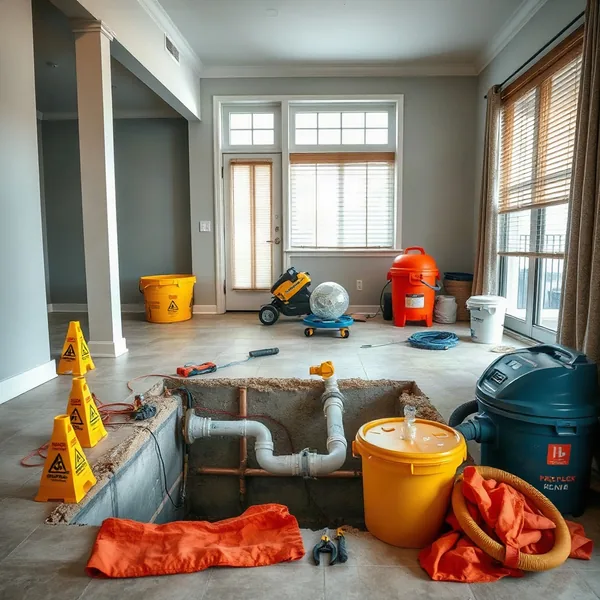
Licensed plumbers locate underground pipe leaks and in-wall leaks today without breaking a single surface until they know precisely where to cut.
The core approach is non-invasive detection using two complementary technologies. An acoustic sensor pressed against floors or walls amplifies the high-frequency hiss of pressurized water escaping a crack — even through 4 inches of concrete slab. Alongside that, an underground pipe locator traces the pipe's path so the plumber targets the right section. For underground water leak detector work beneath a yard or driveway, ground microphones can triangulate a subsurface leak to within 12 inches. This precision means the repair opening is small and targeted, not a trench across your backyard or a gaping hole in your living room floor.
03
What Equipment Is Used for Professional Leak Detection?
ultrasonic leak detectorinfrared thermal cameradye testingmoisture meter
The right water leak detector depends on where the leak hides and what the pipe is made of.
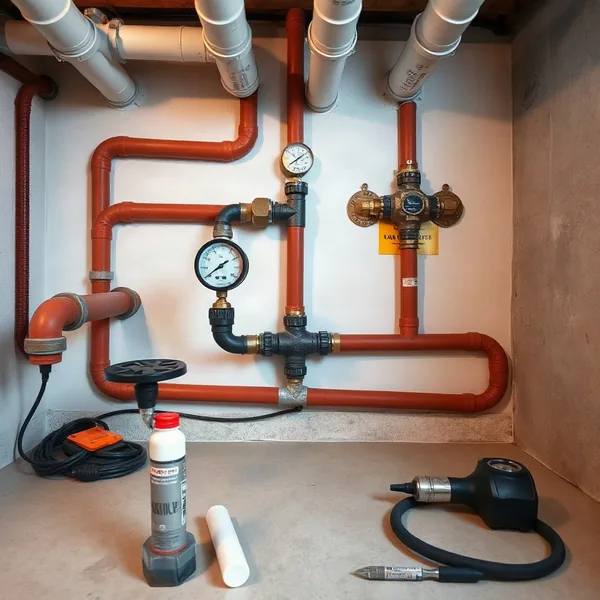
An ultrasonic leak detector is the workhorse for pressurized pipe systems — it converts the sound of escaping water into a signal the technician reads on a display, narrowing the location to within inches. An infrared thermal camera reads temperature differences caused by moisture, revealing wet zones behind drywall or under tile without any physical intrusion. For toilets and fixture tanks, dye testing uses a few drops of fluorescent tracer to confirm a failing flapper in under two minutes. A moisture meter backs everything up by quantifying how saturated a material actually is, which helps separate a fresh active leak from old dry damage that's already been repaired.
04
Do You Provide Leak Detection Near Me in Clovis?
Clovis NM service areaCurry County
Yes — our referral network covers Clovis, NM and the surrounding Curry County area, including neighborhoods near Cannon Air Force Base where military families often need a plumber the same week they move in.
For plumbing leak detection near me requests in 88101 and the surrounding ZIP codes, we connect you directly with a licensed local plumber who carries the right equipment for slab, in-wall, and underground diagnostics. Water leak repair near me calls are prioritized by severity, so reporting a fast-moving situation gets you to the front of the queue. We don't dispatch out-of-area contractors — every plumber in our network lives and works in or near Clovis.
05
What Does Leak Detection Cost and What's Included?
diagnostic feeflat-rate estimatefindings report
A standard residential leak detection diagnostic fee in Clovis, NM runs between $150 and $400, depending on property size, pipe accessibility, and how many zones need testing.
That fee covers the technician's visit, acoustic or infrared scanning, and a findings report that documents the confirmed leak location. Repair work is quoted separately — a simple joint fix might add $200, while a slab leak repair can reach $1,500 or more depending on depth and pipe material. Many plumbers in our network apply the diagnostic fee as a credit if you hire them for the follow-up repair. Emergency or after-hours leak detection services typically carry a $75 to $150 surcharge on top of the standard rate. Always ask for a flat-rate estimate before the technician starts work so there are no surprises at the end.
06
Can Leak Detection Find Leaks in Irrigation, Pools, or Water Heaters Too?
irrigation system leakwater heater leakshower pan leak
Professional leak detection water services extend well beyond household pipes.
An irrigation system leak is one of the most common causes of a runaway water bill in Clovis — the hard, alkaline groundwater here corrodes fittings faster than in softer-water cities, and a single broken lateral can waste 20 gallons an hour underground. Plumber water leak detection for water heaters checks the tank, pressure relief valve, and supply connections, where scale buildup from Clovis's hard water accelerates failure. A shower pan leak is detected using dye testing in the drain system to confirm whether the liner is compromised or the drain collar is loose. H2o leak detection for pools uses pressure testing on return and suction lines to distinguish evaporation loss from an actual structural breach. One plumber, one visit, multiple system types.
07
What Happens After a Leak Is Found?
repair recommendationfollow-up plumbing service
Once a plumber for leak detection confirms the exact source, you receive a clear repair recommendation with two options: a targeted same-session fix if the location is accessible and the parts are on the truck, or a scheduled follow-up plumbing service if the repair requires a slab cut, pipe reroute, or specialty components. The findings report documents the leak's location, depth, and probable cause — useful for insurance claims or landlord-tenant disputes, which come up frequently in Clovis's large renter population. If the leak is under a slab, the plumber will explain whether direct repair or rerouting above the slab is the better long-term option. An underground water pipe detector re-scan after the repair confirms the fix held pressure before the plumber closes out the job.