01
What Should You Do Immediately After a Pipe Bursts?
main water shutoffwater damageemergency plumber
The single most important action after a pipe bursts is turning off your main water shutoff valve — every second it stays open adds more water damage to floors, drywall, and subflooring.
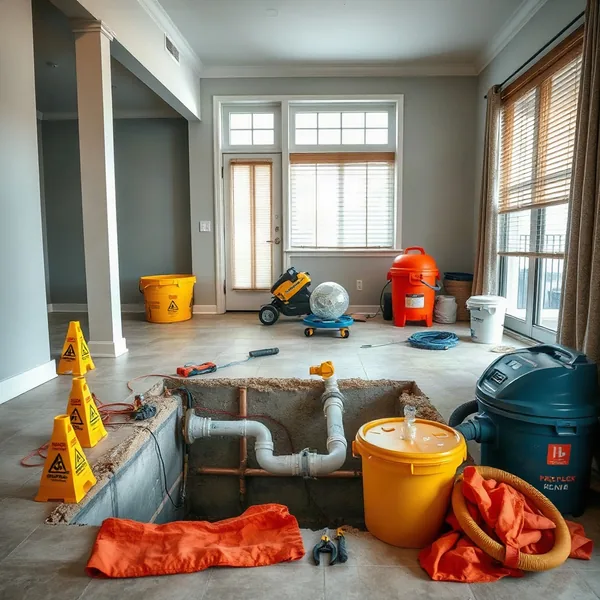
In most Clovis homes, that valve sits near the water meter at the street or inside a utility closet. Once the water is off, open every faucet to drain whatever remains in the lines. Shut off your water heater next to prevent it from scorching an empty tank. Document the damage with photos before touching anything else — your insurance company will want them. Then call an emergency plumber.
02
Can a Frozen Pipe Burst Without Warning?
pipe insulationfreeze pointcopper vs PEX pipe
A frozen burst pipe can rupture with almost no advance notice, and that's exactly what makes it dangerous.
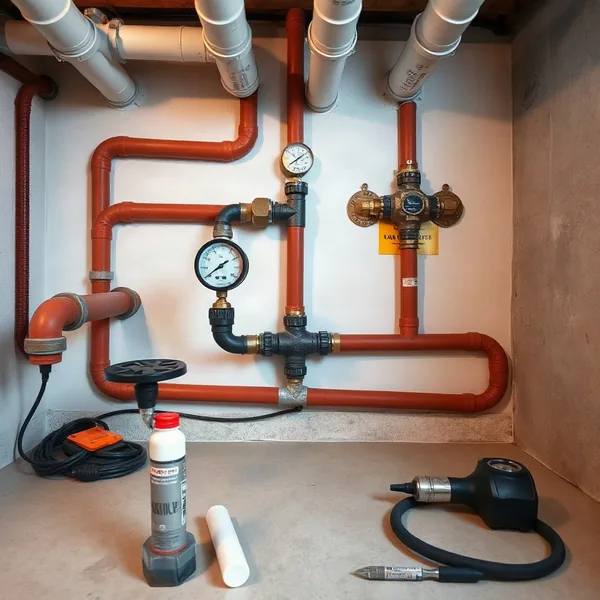
Ice doesn't break the pipe at the freeze point — pressure builds in the liquid water trapped between the blockage and a closed faucet, and the pipe wall fails at its weakest spot, sometimes several feet away. Temperatures below 20°F accelerate this process dramatically. Copper pipe, common in older Clovis homes, conducts cold quickly and can crack within hours of a hard freeze. PEX pipe is more flexible and tolerates some expansion, but it isn't immune. Thin pipe insulation on exposed runs in garages or crawl spaces is usually the difference between a minor inconvenience and a flooded living room.
03
Is a Temporary Fix Safe Until a Plumber Arrives?
pipe repair clampepoxy puttytemporary patch
A temporary pipe leak fix can buy you time, but only if you choose the right one.
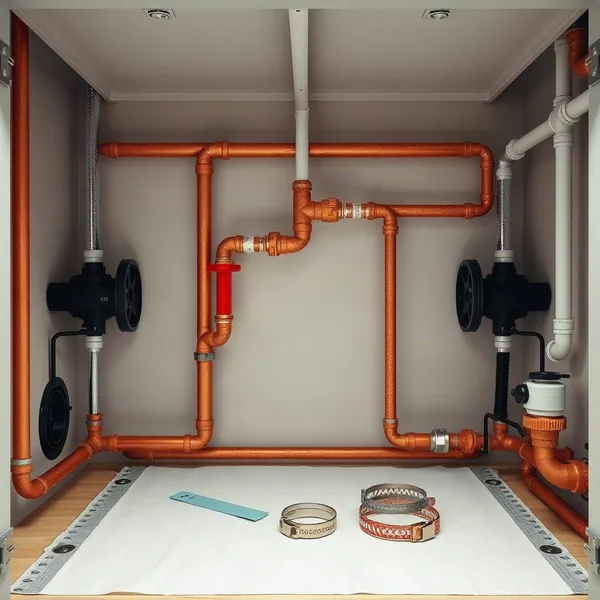
A rubber pipe repair clamp — available at most hardware stores for $8 to $20 — can seal a straight crack on a pipe that's not under pressure and hold for several hours. Epoxy putty works on small pinholes after you've dried the surface and shut off water flow. A temporary patch made from self-fusing silicone tape is another low-risk option for thin cracks. What you should never do: leave the main water supply running without containment, or use standard duct tape, which fails almost immediately under moisture. The only truly safe setup is water off, buckets under the damage, and a licensed plumber on the way.
04
How Much Does Frozen or Burst Pipe Repair Cost in Clovis?
emergency service feepipe section replacementinsulation upgrade
Repair costs in Clovis, NM range from about $150 for a simple pipe thawing service with no rupture, up to $3,000 or more when a burst pipe sits inside a wall or under a slab.
A single pipe section replacement on an accessible line typically costs $300 to $700 depending on the material and length. Emergency service fees add $75 to $150 after hours. If your plumber recommends an insulation upgrade on nearby exposed runs — which runs roughly $1 to $2 per linear foot — that's worth including while they're already on-site. Catching a frozen pipe before it bursts is always cheaper than repairing water-damaged drywall and flooring on top of the plumbing bill.
05
How Can You Prevent Pipes From Freezing in Winter?
pipe insulationheat tapefaucet drip method
The most effective winter prep combines pipe insulation on every exposed run with heat tape on the sections most likely to freeze first — exterior walls, garage lines, and crawl spaces.
Foam pipe insulation costs $0.50 to $2 per linear foot and installs in minutes with no tools. UL-listed heat tape runs $20 to $60 per section and shuts off automatically once the pipe warms up. The faucet drip method — letting cold-side taps run at roughly one drip per second during a hard freeze — keeps water moving so ice can't form a solid blockage. Keep your thermostat at or above 55°F even when you're away, and know exactly where your main water shutoff valve is before the temperature drops.