What Does Sewer Line Repair Involve? A Homeowner's Guide
If you've noticed slow drains, foul odors, or soggy patches in your yard, you may already be dealing with a sewer line problem — even if you don't realize it yet. Understanding what is sewer repair and why it matters can help you act quickly before a small issue becomes a costly disaster. This guide is written specifically for homeowners in Clovis, NM who want straightforward answers about how sewer systems work and when to call a professional.
Sewer line problems are more common than most people think, and they rarely fix themselves. The good news is that modern repair techniques have come a long way, and getting the help you need doesn't always mean tearing up your entire yard. In the sections below, the pro will walk you through where sewer lines are located, the warning signs of sewer line issues, and exactly what the repair process involves so you can make informed decisions for your home.
Where Is a Sewer Line and What Does It Do?
Most homeowners give very little thought to their sewer line — until something goes wrong. Your main sewer line is a large pipe, typically four to six inches in diameter, that runs underground from your home and connects to either the municipal sewer system at the street or a private septic system on your property. Every drain in your home — sinks, toilets, showers, and appliances — eventually feeds into this single line. Because it handles everything, any damage to it can affect your entire household at once.
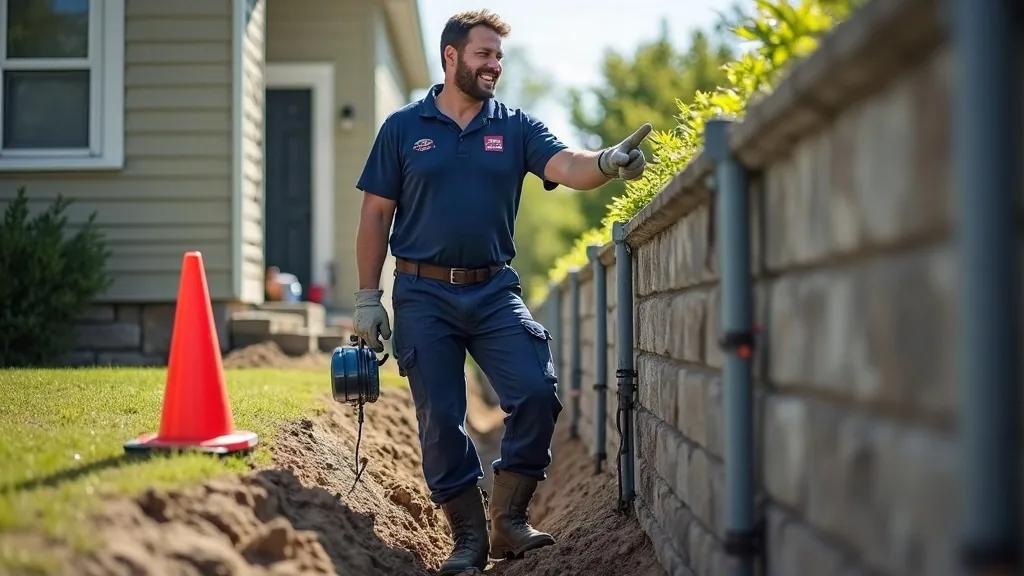
In Clovis, NM, sewer lines are usually buried anywhere from two to six feet below ground, depending on the age of the home and how the lot was graded. Older homes may have clay or cast iron pipes that are decades old and more prone to cracking or root intrusion. Newer construction tends to use PVC, which is more durable but still subject to ground movement and improper installation. Knowing that your sewer line exists largely out of sight is exactly why recognizing the warning signs early is so important.
Because the pipe is underground and not visible, many homeowners don't discover a problem until it has already progressed significantly. That's why annual inspections and awareness of how your drains behave day to day can save you a great deal of trouble and money down the road.
Common Signs of Sewer Line Issues You Shouldn't Ignore
Sewer line issues have a way of announcing themselves if you know what to look for. One of the most recognizable signs is multiple slow or gurgling drains happening at the same time. If your kitchen sink, bathroom sink, and shower are all draining sluggishly, the problem is unlikely to be a simple clog — it points to something deeper in the main line. Similarly, if flushing your toilet causes water to bubble up in the bathtub, that's a strong indicator that your sewer line is blocked or damaged.
Foul odors are another red flag that homeowners in Clovis should take seriously. A properly functioning sewer system is airtight below the drain traps, so any sewage smell inside or outside your home suggests a crack, break, or disconnected joint somewhere along the line. Outside, look for unusually lush or green patches of grass in your yard, especially in a line running toward the street — this can mean sewage is leaking underground and fertilizing the soil directly above the pipe.
Water damage or moisture in your basement or foundation, as well as an unexplained increase in your water bill, can also signal sewer line problems. These symptoms tend to worsen over time, so it's always better to have a professional assess the situation early. Ignoring sewer line issues doesn't make them disappear — it typically makes them more expensive to fix.
What Is Sewer Repair and What Does the Process Involve?
So, what is sewer repair exactly? In simple terms, sewer line repair refers to the process of identifying, accessing, and fixing damage or blockages within your underground sewer pipe. The first step a professional plumber takes is a video camera inspection, where a small waterproof camera is fed into the line to locate the exact source and nature of the problem. This diagnostic step is critical because it eliminates guesswork and helps determine the most appropriate repair method.
Depending on what the camera inspection reveals, there are several approaches a plumber might recommend. Traditional open-cut repair involves digging a trench to expose the damaged section of pipe, removing it, and replacing it with new pipe. While this method is effective, it does disturb landscaping and requires more time. Trenchless repair methods, such as pipe lining or pipe bursting, are often preferred when possible because they require minimal digging. Pipe lining coats the inside of the existing pipe with a new epoxy layer, while pipe bursting breaks the old pipe apart as a new one is pulled through in its place.
For homeowners in Clovis who are experiencing any of the warning signs described above, reaching out for Sewer Line Repair from a licensed local plumber is the right next step. Who repairs sewers? Licensed plumbers with sewer and drain expertise are the qualified professionals for this type of work — not general contractors or handymen. The job requires specialized equipment, technical knowledge, and compliance with local plumbing codes to ensure the repair is done safely and correctly.
Frequently Asked Questions
Need Help? Contact Clovis NM Plumbers
Local pros are available in Clovis, NM — get a quote today