
Hard Water in Clovis: What It Does to Your Pipes, Water Heater and Faucets
If you have noticed a white crusty buildup around your faucets, felt your skin dry out after a shower, or watched your soap refuse to lather properly, you are already living with the effects of hard water in Clovis, NM. The water supply in eastern New Mexico is naturally high in dissolved calcium and magnesium — minerals that travel through the ground before reaching your home's pipes. Most Clovis homeowners accept these quirks as normal, not realizing that hard water is quietly doing real damage behind the walls and under the sinks.
What Makes Hard Water in Clovis, NM So Problematic
Clovis draws its municipal water from the Ogallala Aquifer, a massive underground reservoir that spans much of the High Plains. As water filters through layers of limestone and dolomite rock over thousands of years, it dissolves calcium carbonate and magnesium bicarbonate. By the time that water reaches your tap, it carries a mineral load that measures well above the 120 mg/L threshold the U.S. Geological Survey uses to classify water as 'hard.' Many Clovis households test even higher than that benchmark.
The minerals themselves are not harmful to drink, but they are relentless on plumbing systems. Every gallon of water that flows through your home deposits a microscopic layer of mineral scale inside pipes, appliances, and fixtures. Over months and years, that scale accumulates into a thick, sandstone-like coating called limescale. The buildup gradually narrows pipe openings, reduces water pressure, and forces every water-using appliance in your home to work harder than it was designed to.
Understanding the specific ways limescale affects different parts of your plumbing helps you prioritize repairs, catch problems early, and make smarter decisions about long-term protection. The three areas where Clovis homeowners feel the impact most are their pipes, their water heater, and their faucets.
How Scale Damages Your Pipes and Water Heater
Inside your water supply lines, limescale grows inward from the pipe walls. In galvanized steel pipes — common in older Clovis homes built before the 1980s — the rough interior surface gives calcium deposits an easy place to grip and grow. Over time the effective diameter of a pipe can shrink enough to noticeably reduce water pressure throughout the house. In extreme cases, the buildup becomes so severe that sections of pipe must be replaced entirely. Copper and PEX pipes resist corrosion better, but they are not immune to scale accumulation at elbows, valves, and connections.
Your water heater takes the hardest hit. When water sits in a tank and gets heated, the heat accelerates mineral precipitation, meaning scale forms faster in a water heater than almost anywhere else in your plumbing system. A layer of limescale as thin as a quarter-inch on the bottom of a storage tank can increase energy consumption by up to 25 percent, according to the U.S. Department of Energy. You may notice your water heater making rumbling or popping sounds — that is trapped water boiling beneath a crust of sediment. If your unit is struggling, scheduling Water Heater Repair early can extend its lifespan and restore efficiency before the damage becomes irreversible.
Hard water also shortens the life of washing machines, dishwashers, and ice makers by clogging their inlet valves and spray arms with mineral deposits. A home's entire water-using infrastructure ages faster in a high-mineral environment, which is why addressing the source of the problem — not just the symptoms — makes financial sense for Clovis homeowners.
What Hard Water Does to Your Faucets and Fixtures
Faucets and showerheads are often the first place homeowners notice a hard water problem because the damage is visible. The white or yellowish crust that forms around spouts and handles is calcium carbonate residue left behind when water evaporates. While it looks like a cosmetic issue, the buildup clogs aerators and spray nozzles, reducing flow and uneven spray patterns. Inside the faucet body, mineral deposits wear down rubber seals and ceramic cartridges, causing drips and leaks that worsen over time.
A dripping faucet wastes an average of 3,000 gallons of water per year, according to the EPA — and in a city that relies on an aquifer, conservation matters. If your faucet is leaking or the handle feels stiff and difficult to turn, the culprit is often scale damage to internal components rather than simple wear. A licensed plumber providing Faucet Repair can replace cartridges, clean aerators, and assess whether the fixture itself needs to be replaced before a small drip turns into water damage under the sink.
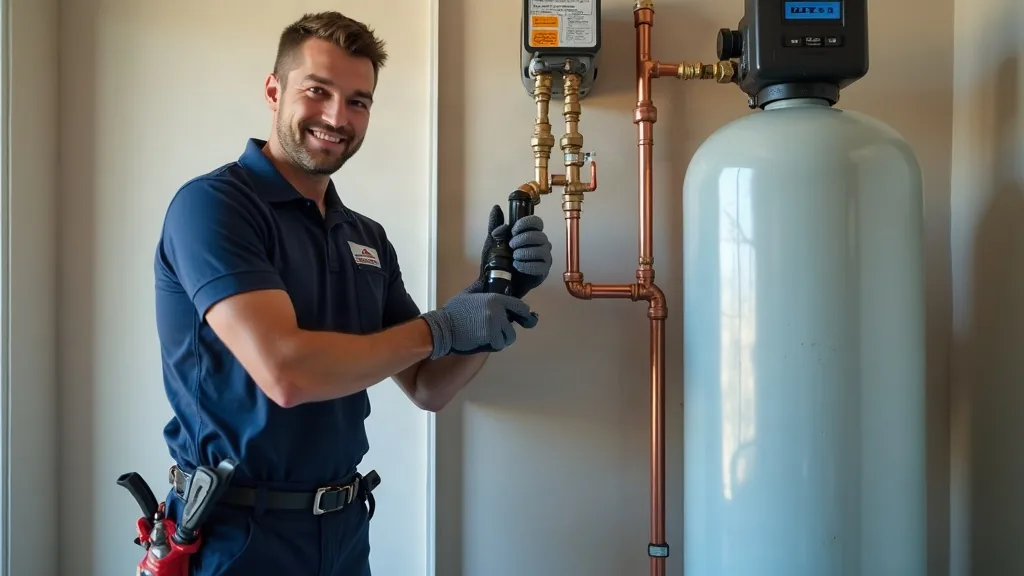
The best long-term answer for protecting faucets, pipes, and appliances is to treat the water before it enters your home's plumbing. A properly sized Water Softener Installation uses an ion-exchange process to remove calcium and magnesium from the supply line, delivering softened water to every fixture in the house. Soft water extends the life of appliances, reduces soap usage, improves water heater efficiency, and eliminates the constant battle against limescale buildup on your fixtures.
Frequently Asked Questions
Need Help? Contact Clovis NM Plumbers
Local pros are available in Clovis, NM — get a quote today